
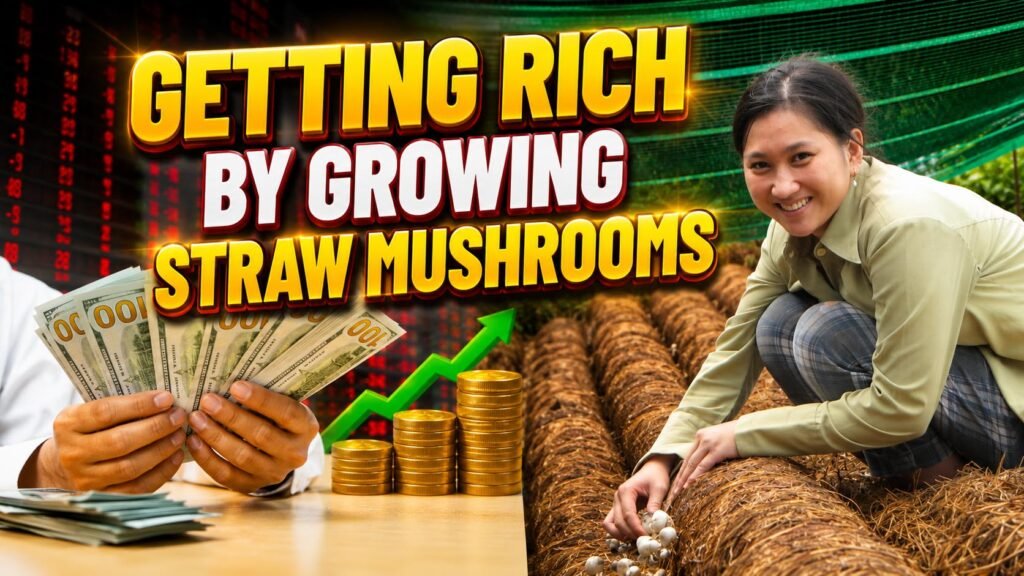
Straw Mushroom Farming: Low-Cost, High-Return Business
6 billion Chinese yuan. That’s the annual production value generated in China by putting just 5% of the leftover rice straw from a single harvest season to use — growing one familiar type of mushroom: the straw mushroom.
That’s a big enough number to raise a real question: how much opportunity is hiding inside a material most farmers treat as waste — burned off or left to rot in the field — and can Vietnam tap into this same opportunity? Let’s find out more in this article by VNmushrooms Farm!
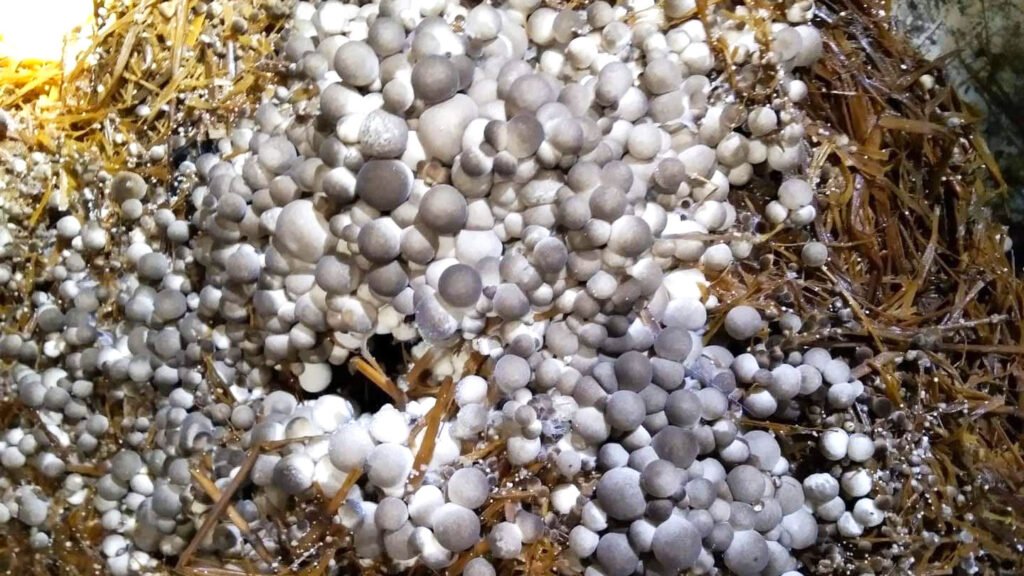
Growing Straw Mushrooms: Low Capital, Fast Payback
What makes straw mushroom farming so attractive to anyone looking to start a business or grow their agricultural income is simple: it turns a profit fast, and it doesn’t take much money to get started.
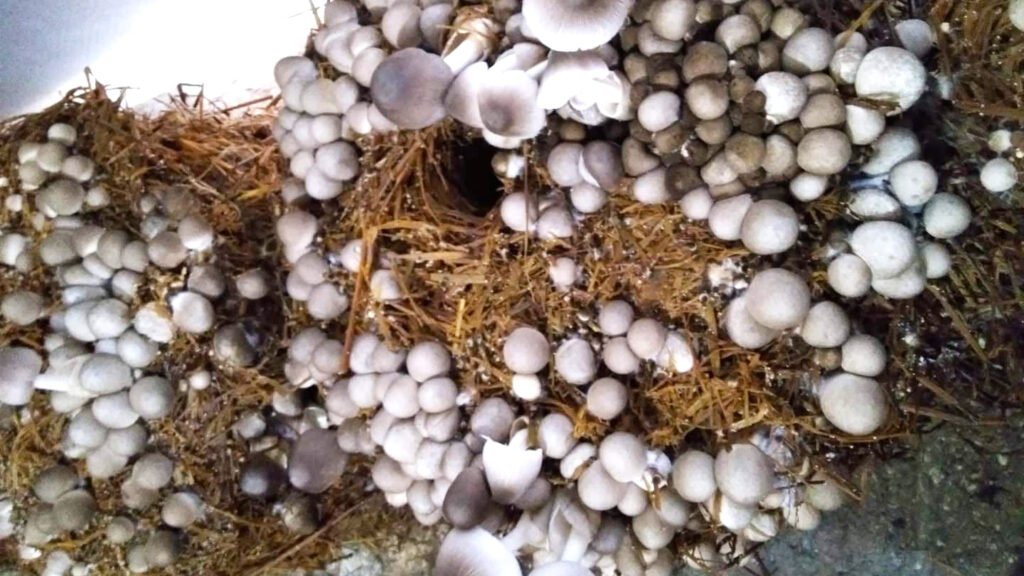
How Much Capital Does Straw Mushroom Farming Require, and What’s the Return?
Based on real-world figures, growing straw mushrooms on a 500 m² plot requires an initial investment of only about 2,500 yuan. After just one month, growers can harvest more than 1,300 kg of fresh mushrooms.
At a price of roughly 6 yuan per kilogram, that harvest is worth about 8,000 yuan — a net profit of over 5,000 yuan, or roughly a 1:2 return on investment, all within a single short production cycle.
Compare that to traditional farming models, where it can take months or even years to recover your initial investment. The speed at which straw mushroom capital turns over is a major advantage.
See also: Straw Mushroom Growth Stages: When to Harvest for Best Yield
Why Is Straw Mushroom Farming More Profitable Than Traditional Agriculture?
Among the more than 10 species of edible mushrooms currently grown commercially at scale, straw mushrooms consistently rank among the most efficient in terms of return on investment, thanks to:
- Simple growing technique — no advanced expertise required to get started
- Minimal land requirements — vacant land or old warehouse space works just fine
- Short production cycle — capital turns over quickly, keeping cash flow flexible
- Strong economic returns — an attractive profit-to-investment ratio
That’s why straw mushroom farming can generate meaningful income for growers, even those starting out with modest capital.
Straw Mushrooms: A Wide-Open Market with Limited Competition
China is the world’s largest producer of straw mushrooms, accounting for more than three-quarters of global output. That means there’s still substantial room to grow in every other market that consumes straw mushrooms — Southeast Asia included.
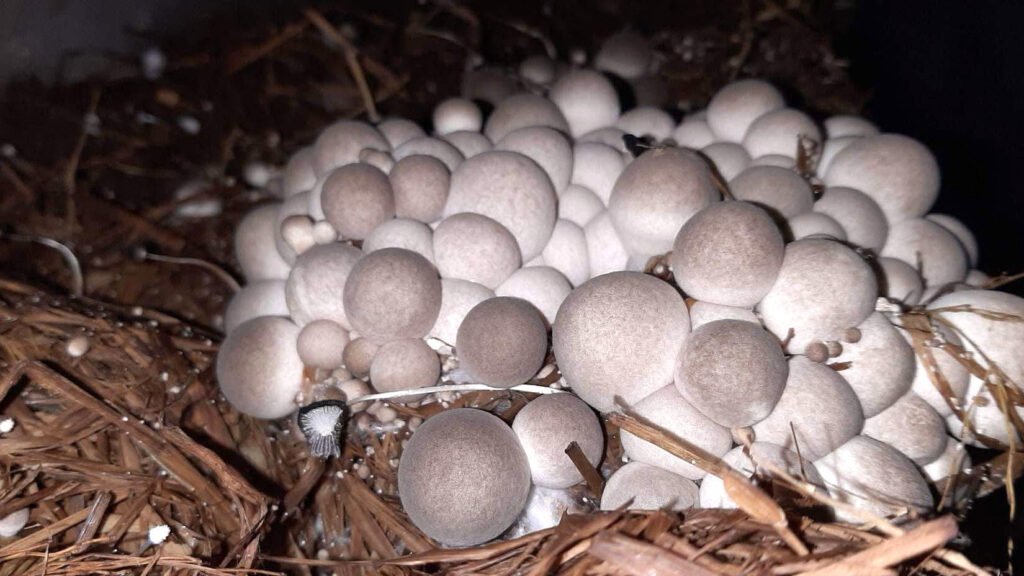
Is Exporting Straw Mushrooms to China Actually Profitable?
Yes — even though China grows the majority of the world’s straw mushroom supply itself, domestic demand there remains massive and shows no signs of slowing down.
Daily straw mushroom consumption reaches 20–30 tons in Guangzhou, 8–10 tons in Shenzhen, and more than 10 tons in Hong Kong. According to the China Edible Fungi Association, three provinces exceed 10,000 tons in annual production — Fujian (16,000 tons), Guangdong (12,000 tons), and Jiangsu (12,000 tons) — underscoring a market size that no serious supplier can afford to ignore.
Is Exporting Straw Mushrooms to the U.S. Worth It?
Very much so. Straw mushrooms — fresh, dried, and canned — are a long-established export to the United States, alongside markets like Canada, Singapore, Malaysia, the U.K., and Japan, at export prices of roughly $8,000–$10,000 per ton — pricing that reflects straw mushrooms’ standing among high-value food exports.
Notably, U.S. consumption trends are shifting in growers’ favor: the share of fresh mushrooms in total consumption has climbed from 30% to 65%, a clear signal that there’s still plenty of room for fresh-mushroom supply chains to grow.
Straw Mushrooms: Still Massive Room to Grow
As living standards continue to rise, current straw mushroom production still falls far short of meeting demand — both domestically and abroad. That means the growth potential in straw mushroom farming remains enormous.
The opportunity to build wealth through straw mushroom farming is well-positioned to ride this rising wave of demand, and it rests on three solid pillars:
- Low investment, fast payback — a short production cycle, simple technique, and a 1:2 profit ratio in as little as one month
- A wide-open market — both at home and for export, while current supply still falls “far short” of meeting demand
- High export value — $8,000–$10,000 per ton, opening the door for anyone looking to join the international supply chain
That’s why straw mushroom farming — a business that looks deceptively simple — is quietly becoming one of the most worthwhile paths in agricultural entrepreneurship today, especially for anyone looking for a low-capital, fast-turnaround business model.
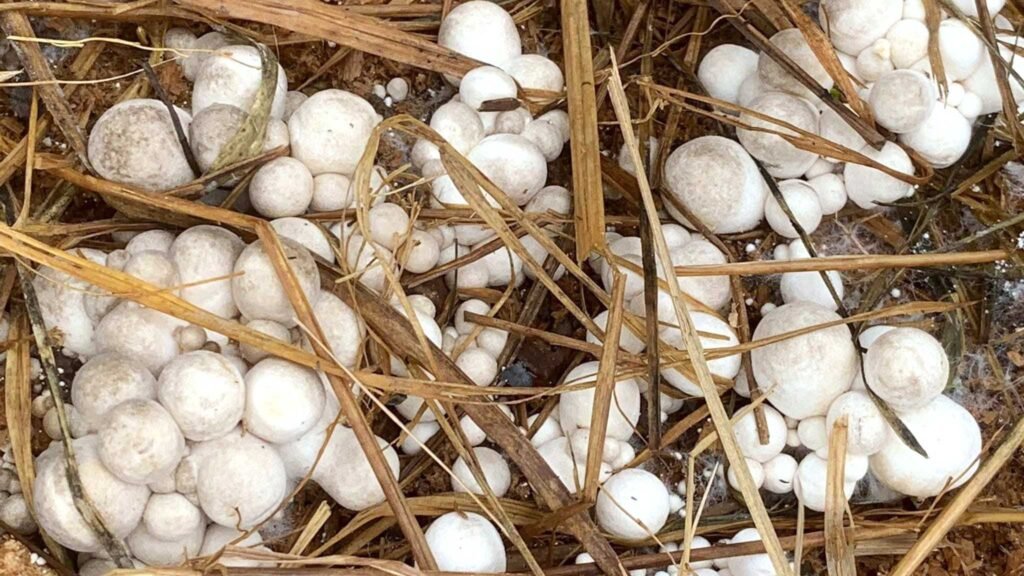
VNmushrooms expert answers reader questions
Is straw mushroom farming profitable?
Yes. An investment of about 2,500 yuan on a 500 m² plot can generate over 5,000 yuan in net profit in just one month — roughly a 1:2 return on investment.
How much capital do you need to get started growing straw mushrooms?
For a 500 m² operation, initial capital runs around 2,500 yuan, with a harvest cycle of about one month.
Where are straw mushrooms exported, and at what price?
Straw mushrooms (fresh, dried, and canned) are exported to markets including the United States, Canada, Singapore, Malaysia, the U.K., and Japan, at prices of roughly $8,000–$10,000 per ton.
Does the straw mushroom market still have room to grow?
Substantially. China, the top producer, accounts for just over three-quarters of world output — while current production still doesn’t meet demand at home or abroad.
- High-Yield Straw Mushrooms, Part 3: Inoculation Rooms & Spawn Run
- High-Yield Straw Mushrooms, Part 5: Common Chemicals Used
- High-Yield Straw Mushrooms, Part 2: Spawn Sterilization Equipment
- 10 High-Quality Straw Mushroom Strains: Selection Guide
- High-Yield Straw Mushrooms, Part 6: Mother Spawn Production
Bài viết cùng chủ đề:
-
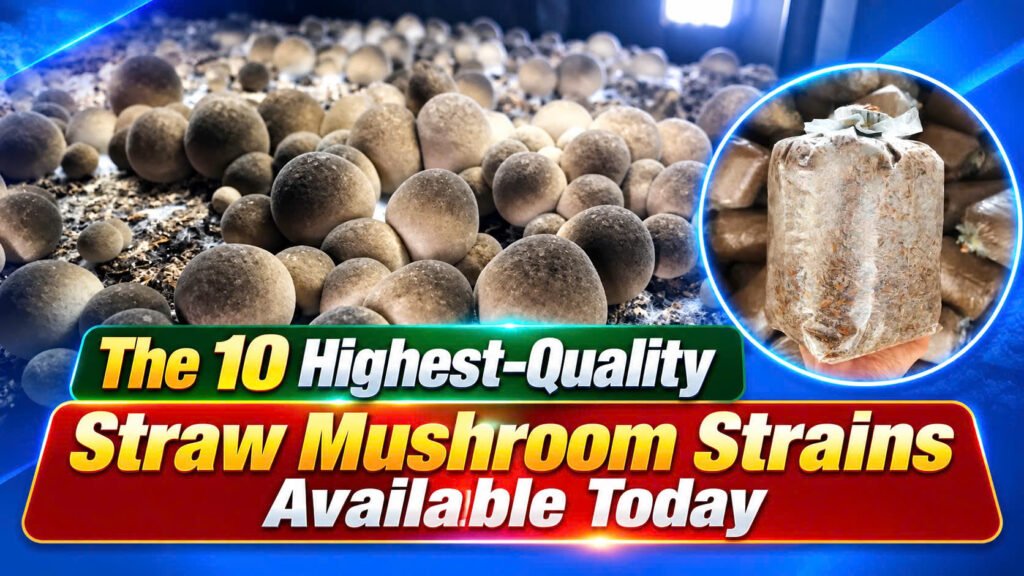
10 High-Quality Straw Mushroom Strains: Selection Guide
-
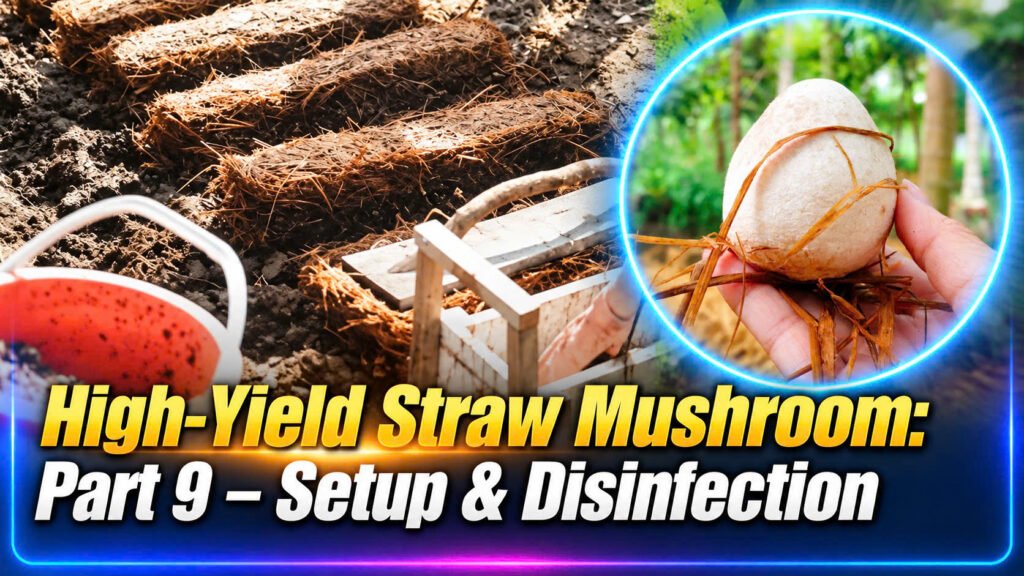
High-Yield Straw Mushroom Growing: Part 9 – Setup & Disinfection
-
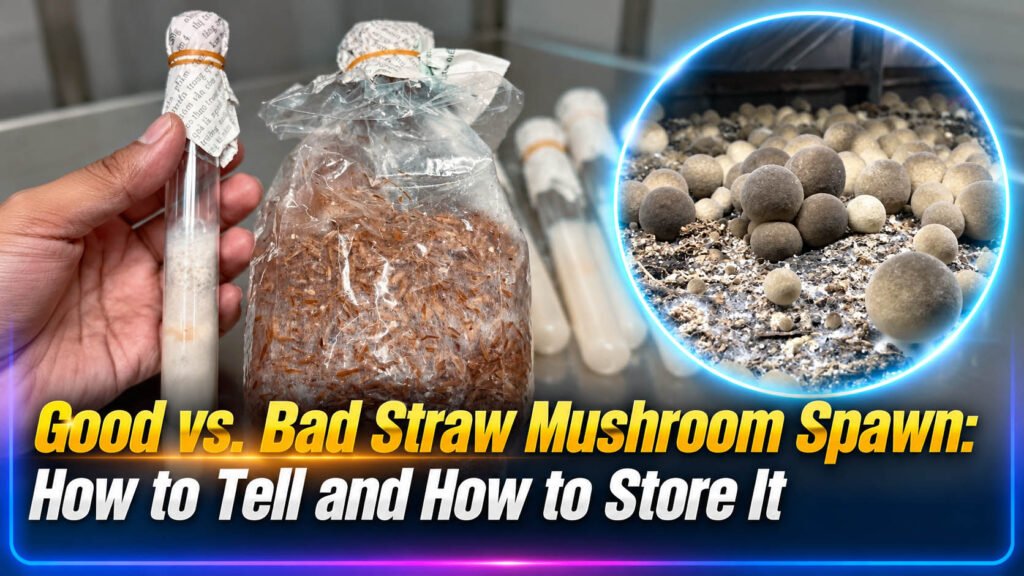
High-Yield Straw Mushrooms, Part 8: Spawn Quality & Storage
-
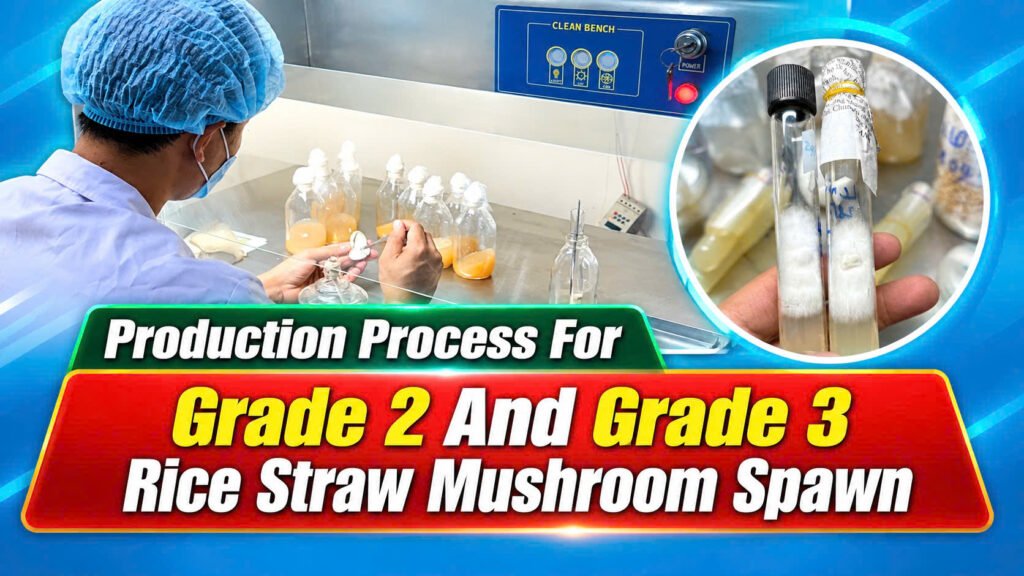
High-Yield Straw Mushrooms, Part 7: Grade II & III Spawn
-
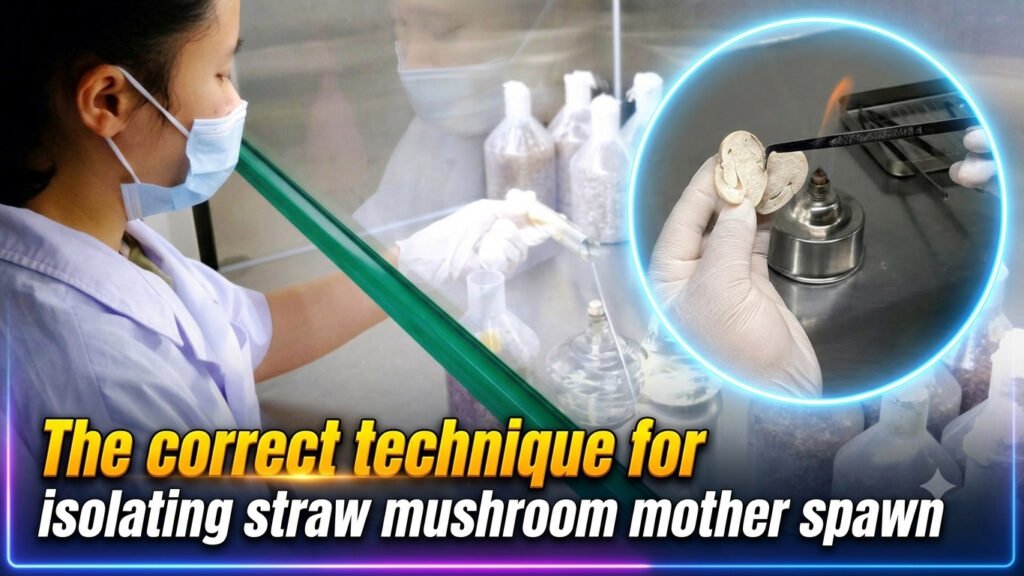
High-Yield Straw Mushrooms, Part 6: Mother Spawn Production
-
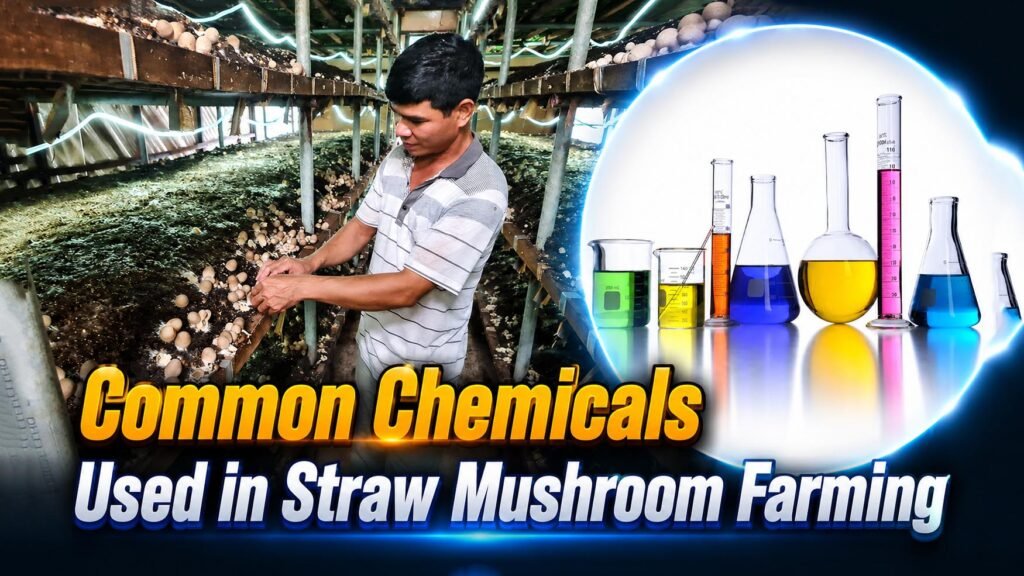
High-Yield Straw Mushrooms, Part 5: Common Chemicals Used
-
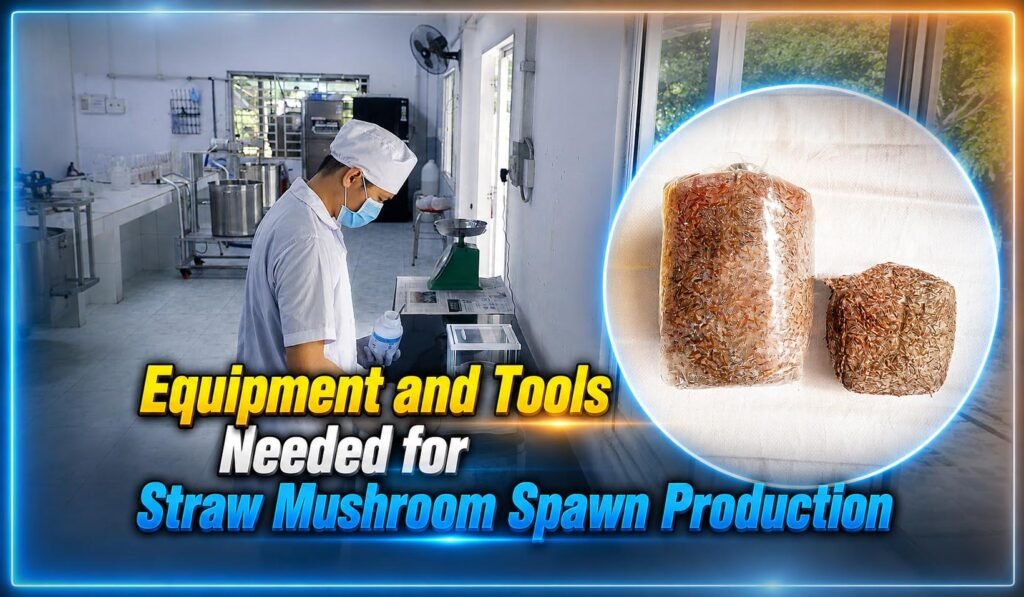
High-Yield Straw Mushrooms, Part 4: Heating, Humidity & Tools
-
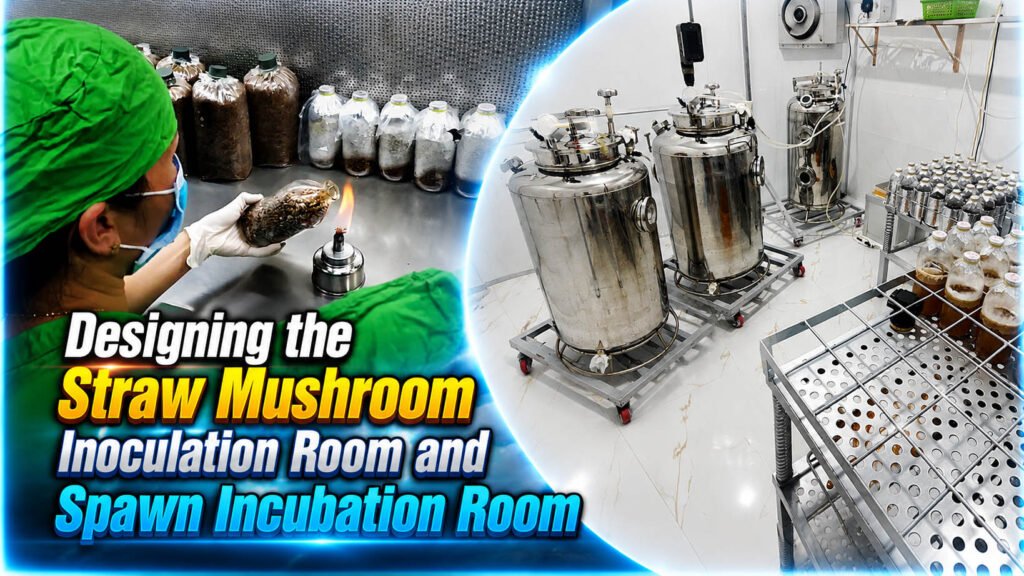
High-Yield Straw Mushrooms, Part 3: Inoculation Rooms & Spawn Run
-
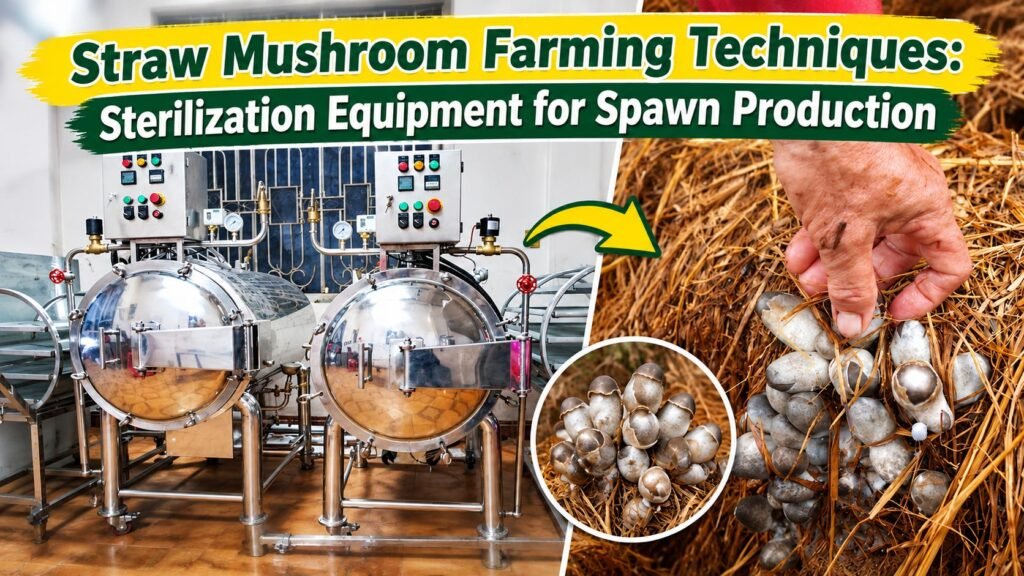
High-Yield Straw Mushrooms, Part 2: Spawn Sterilization Equipment
-
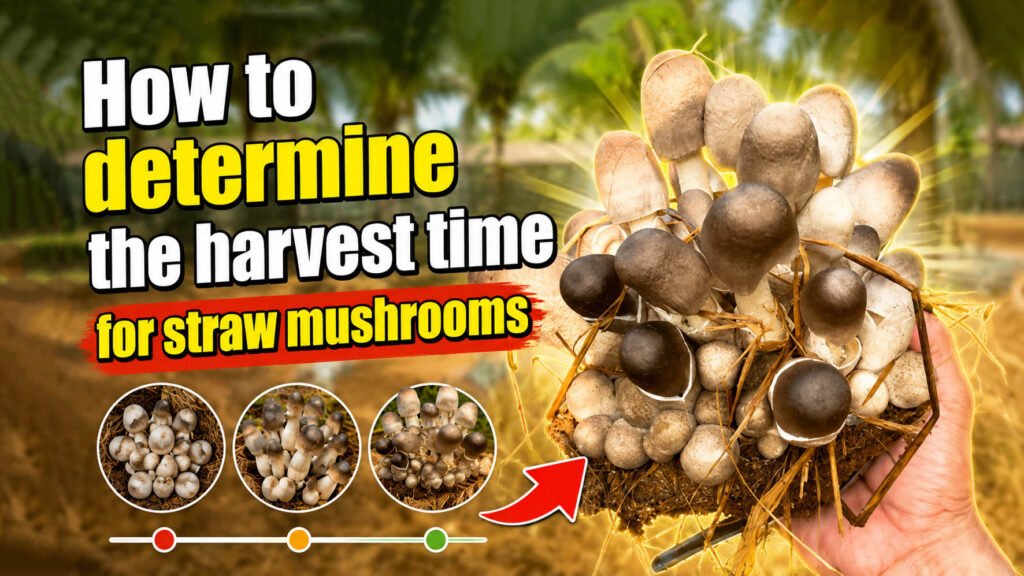
Straw Mushroom Growth Stages: When to Harvest for Best Yield