
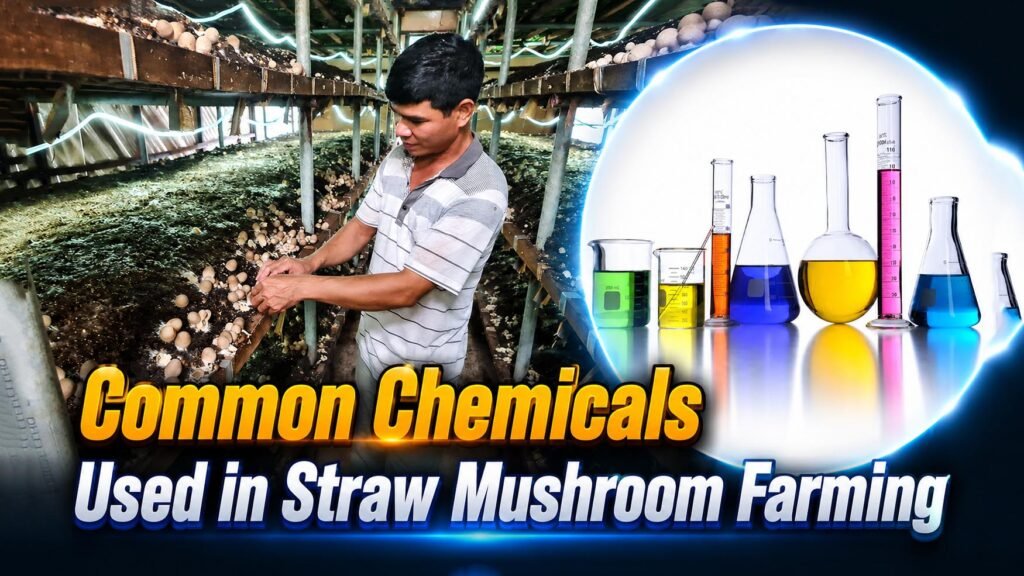
High-Yield Straw Mushrooms, Part 5: Common Chemicals Used
In Part 4 of our “Standard-Grade Straw Mushroom Spawn Production” series, we covered the equipment and tools growers need for inoculation work. In this final installment, we’ll look at the chemicals used for fumigation sterilization and growing-condition control that help straw mushroom cultivation run more effectively.
Throughout straw mushroom spawn production and cultivation, growers regularly rely on the following chemicals: surfactants, oxidizing agents, oxygen-releasing agents, moisture-retention agents, and temperature indicators. VNmushrooms Farm has summarized the composition and use of these five chemical groups in the table below:
| Chemical Group | Chemical Name | Purpose | How to Use |
| Surfactants | Alcohol, Lysol, benzalkonium bromide | Sterilizing surfaces and tools | 70% alcohol gives the best penetration and sterilization effectiveness |
| Oxidizing agents | Potassium permanganate + formaldehyde; bleaching powder | Fumigation sterilization of inoculation rooms and straw mushroom grow rooms | 8 ml of 40% formaldehyde + 5 g potassium permanganate per m³ |
| Oxygen-releasing agents | Calcium peroxide (CaO₂) | Provides long-term oxygen release, promotes thick, white mycelium, and suppresses contaminant fungi | Mix into substrate at ~0.3% |
| Moisture-retention agents | High-molecular-weight polymer resin | Regulates substrate moisture, reduces watering frequency | 0.1–1% in spawn production/cultivation |
| Temperature indicators | Probe thermometer, or homemade benzoic acid crystal indicator | Confirms sterilization has reached the required temperature | Melted benzoic acid crystals confirm 121°C has been reached |
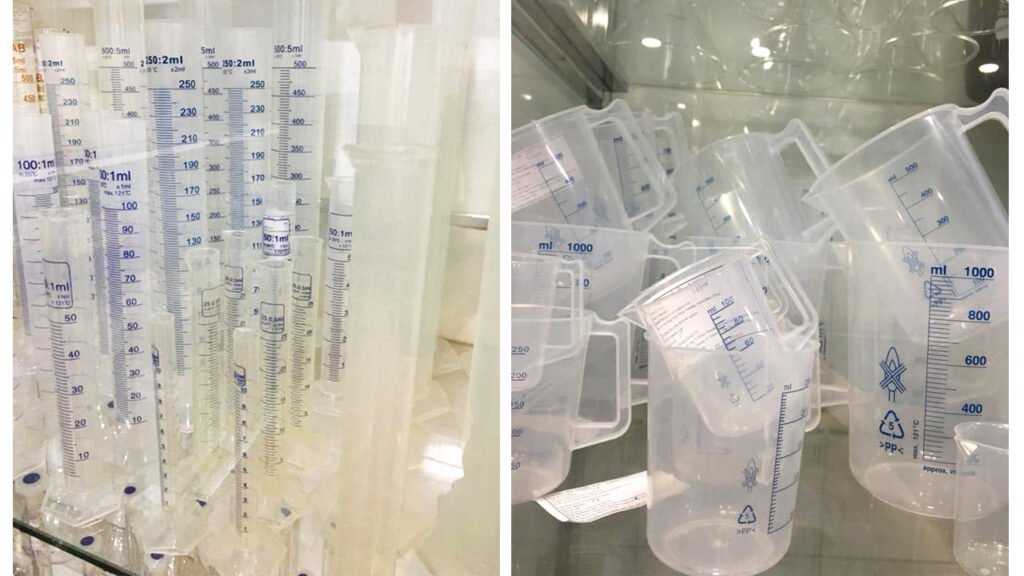
1. Surfactants — Tool Sterilization
This group includes alcohol, Lysol, and benzalkonium bromide, used to sterilize equipment and tools during straw mushroom spawn production.
Worth noting: these chemicals only reach peak sterilization effectiveness at the right concentration — more concentrated isn’t necessarily better.
A clear example: 70% alcohol has the strongest penetration ability, which is exactly why it delivers the best sterilization results.
2. Oxidizing Agents — Grow Room Fumigation
Oxidizing agents include potassium permanganate and bleaching powder (chlorinated lime). Potassium permanganate is typically combined with formaldehyde for combined fumigation sterilization of straw mushroom grow rooms, inoculation rooms, and other areas of the grow house.
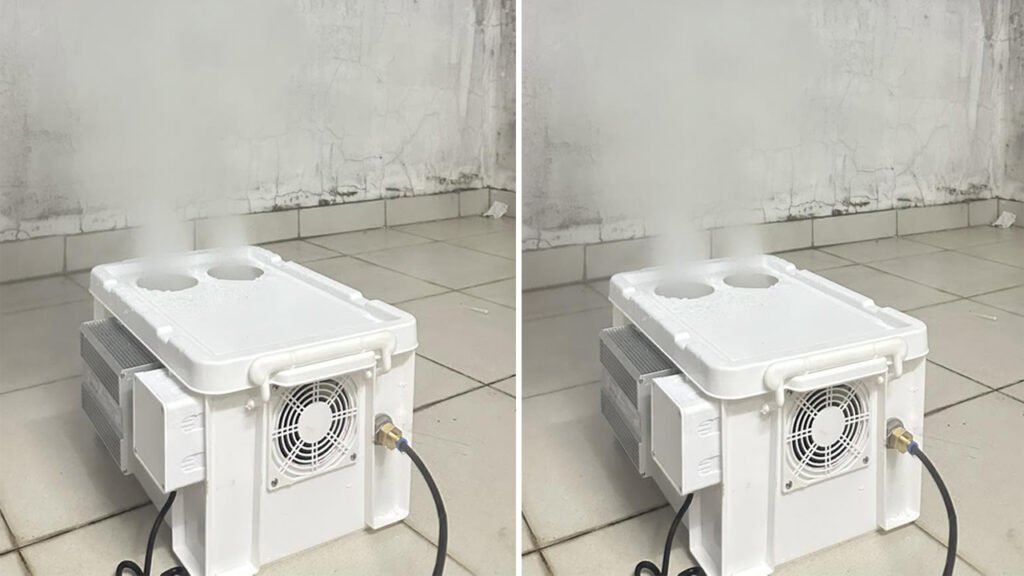
The fumigation process for a straw mushroom grow room works as follows:
Standard dosage: 8 ml of 40% formaldehyde solution + 5 g potassium permanganate per cubic meter of space to generate the fumigation gas.
- Seal off gaps around doors and windows in the area to be fumigated.
- Divide the potassium permanganate into several deep-sided containers.
- Pour in the formaldehyde solution afterward (never pour the potassium permanganate in first).
Note: for bleaching powder, dissolve it in water first before spraying it onto the surfaces or items that need sterilizing.
3. Oxygen-Releasing Agents
The active ingredient in this oxygen-releasing agent is calcium peroxide (CaO₂). Under acidic conditions, it forms hydrogen peroxide; in water or a moist environment, it decomposes slowly, releasing oxygen and forming calcium hydroxide. That’s what allows it to supply oxygen over an extended period.
Effect: when mixed into the growing medium during straw mushroom spawn production or cultivation, this compound continuously supplies oxygen and neutralizes acidity, helping mycelium grow thicker, whiter, and spread across the substrate faster — boosting yield while also helping suppress contaminant fungi to some degree.
How to use: mix directly into the substrate at about 0.3%.
4. Moisture-Retention Agents — Saving Water and Time
Moisture-retention agents can be made from high-molecular-weight polymer resin. In spawn production and cultivation of edible mushrooms generally — and straw mushrooms specifically — this compound is used to regulate substrate moisture at 0.1–1%. It can also be mixed into the casing soil layer used for straw mushrooms or other soil-casing mushroom varieties.
Effect: significantly reduces how often you need to water, and limits the damage caused by overwatering.
For example: growing straw mushrooms in summer without a moisture-retention agent typically requires watering 3–4 times a day due to heavy evaporation. After adding a moisture-retention agent, watering drops to once every 2 days, while mushroom yield also increases noticeably compared to the control.
5. Temperature Indicators — Verifying Sterilization Quality
Effect: to check whether sterilization equipment or straw mushroom growing material has reached the required temperature, you can use a probe thermometer or a maximum-registering thermometer — though these come at a relatively high cost.
A more economical solution: make your own melting-point temperature indicator.
How to make a DIY temperature indicator: place benzoic acid crystals inside a small glass tube or ampoule, seal the opening, and place it alongside the material during sterilization. Once sterilization is complete, if the crystals inside the tube have melted, that confirms the sterilization temperature reached 121°C.
Straw Mushroom Farming: Frequently Asked Questions
Is fumigation with potassium permanganate and formaldehyde harmful to health?
Formaldehyde has a sharp odor and can irritate the eyes, nose, and throat if inhaled at high concentrations over an extended period. When mixing it, wear a mask and gloves. When fumigating a straw mushroom grow room, keep doors sealed shut, and leave the area once the process is complete.
How long after fumigation is it safe to enter the room for inoculation?
Since formaldehyde has such a sharp odor, once the fumigation period is complete, open the room up to air it out and let it dry for 4–5 hours before starting any work inside.
Do I need to use all 5 of these chemicals, or can I skip some?
No, you don’t need to use all five chemical groups at once — each one has its own dosage and serves a different purpose within straw mushroom spawn production and cultivation.
Where can I buy a moisture-retention agent, and does it require a special permit as a hazardous chemical?
Moisture-retention agents made from high-molecular-weight polymer resin aren’t classified as hazardous chemicals and are widely available at garden and agricultural supply stores. That said, there are many types of polymer resin on the market, so make sure to choose one intended for agricultural or horticultural use.
With this article, VNmushrooms Farm has now completed all 4 parts of our “Standard-Grade Straw Mushroom Spawn Production” guide. For a high-quality, high-yield straw mushroom crop, growers should research and invest properly from the start in these four areas:
- Sterilization equipment for straw mushroom spawn production
- Facilities for straw mushroom spawn production
- Equipment and tools for straw mushroom spawn production
- Chemicals used in straw mushroom spawn production
To learn more about growing high-yield, high-quality straw mushrooms, feel free to reach out to the VNmushrooms Farm engineering team any time — we’re happy to help.
- High-Yield Straw Mushrooms, Part 6: Mother Spawn Production
- High-Yield Straw Mushrooms, Part 3: Inoculation Rooms & Spawn Run
- 10 High-Quality Straw Mushroom Strains: Selection Guide
- High-Yield Straw Mushrooms, Part 5: Common Chemicals Used
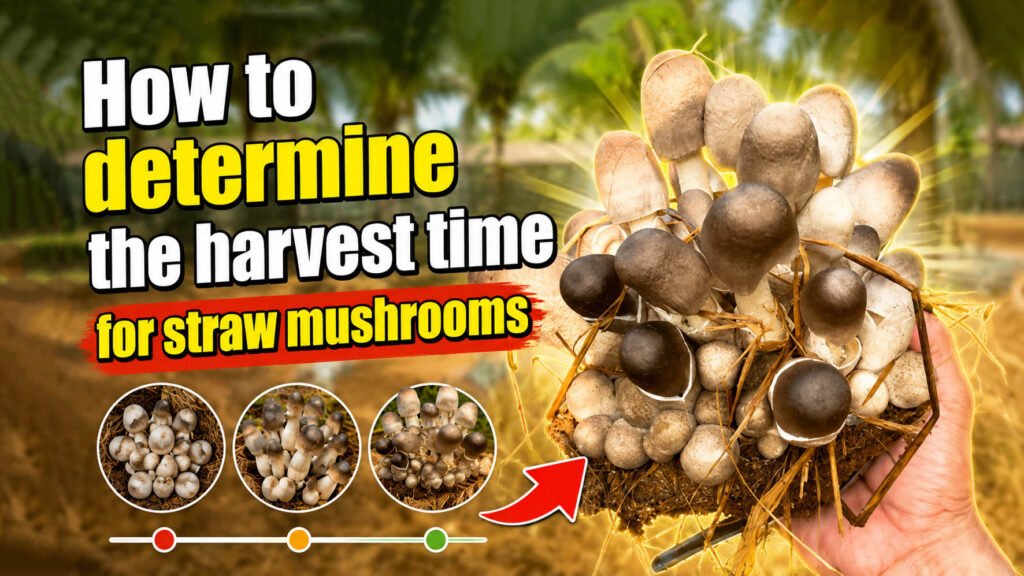
- Straw Mushroom Growth Stages: When to Harvest for Best Yield
Bài viết cùng chủ đề:
-
Growing Straw Mushrooms on Cotton Waste: Outdoor & Indoor
-
Growing Straw Mushrooms on Cottonseed Hulls: Outdoor & Indoor
-
10 High-Quality Straw Mushroom Strains: Selection Guide
-
High-Yield Straw Mushroom Growing: Part 9 – Setup & Disinfection
-
High-Yield Straw Mushrooms, Part 8: Spawn Quality & Storage
-
High-Yield Straw Mushrooms, Part 7: Grade II & III Spawn
-
High-Yield Straw Mushrooms, Part 6: Mother Spawn Production
-
High-Yield Straw Mushrooms, Part 4: Heating, Humidity & Tools
-
High-Yield Straw Mushrooms, Part 3: Inoculation Rooms & Spawn Run
-
High-Yield Straw Mushrooms, Part 2: Spawn Sterilization Equipment
-
Straw Mushroom Growth Stages: When to Harvest for Best Yield
-

Straw Mushroom Farming: Low-Cost, High-Return Business