
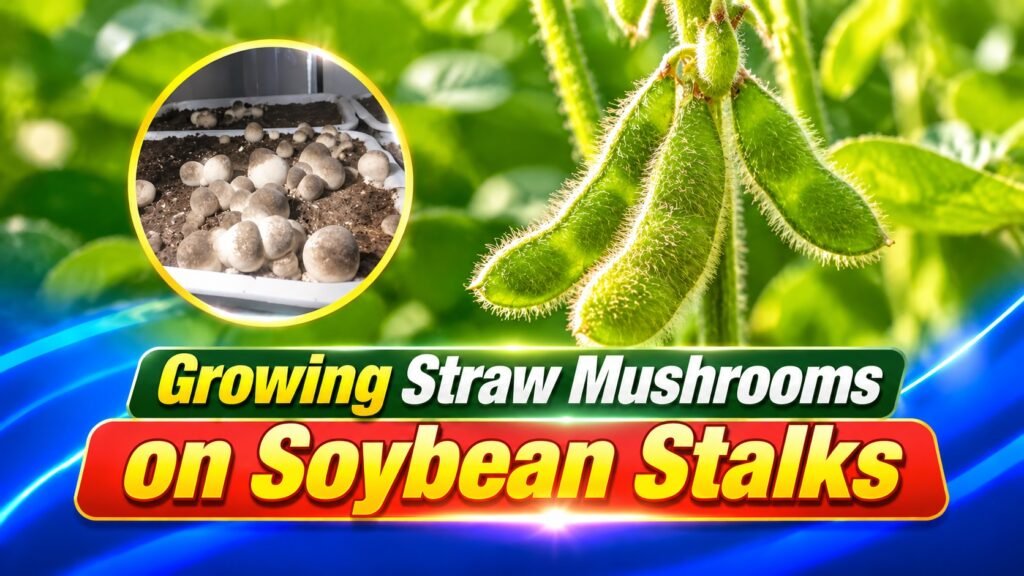
Growing Straw Mushrooms on Soybean Stalks
Soybean stalks can be put to good use as a substrate for growing straw mushrooms. This method doesn’t just help growers make sensible use of an agricultural byproduct — it also adds another practical growing material to the mix. In this guide, VNmushrooms Farm pulls together the technical process for growing straw mushrooms on soybean stalks.
Author: Bội Văn Thắng — Edible & Medicinal Mushroom Specialist. Content Advisor at VNmushrooms Farm.
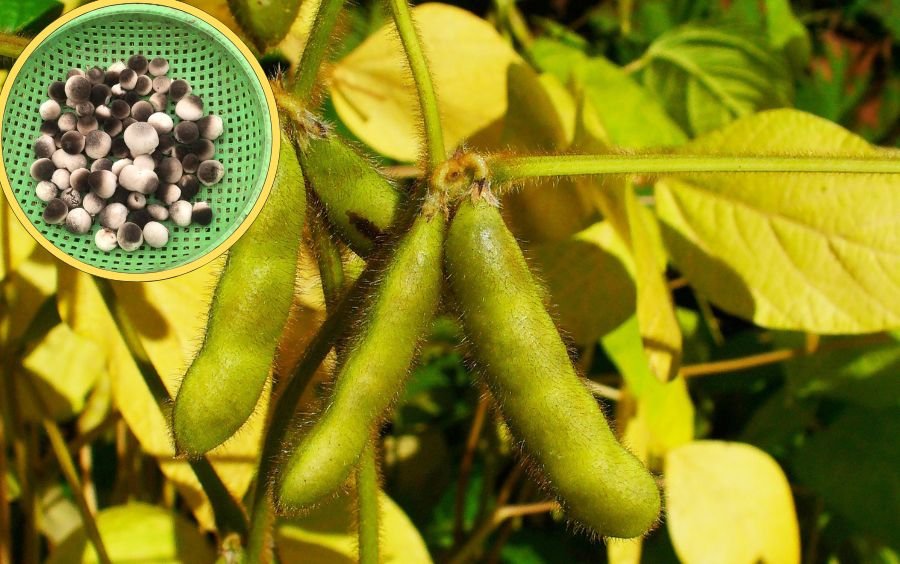
Step 1: Choose and Prepare the Growing Site
Growers can choose a site for growing Straw mushrooms on soybean stalks flexibly, depending on the actual conditions of their household or locality.
Read more: A Roundup of the 10 Top Straw Mushroom Spawn Strains on the Market Today.
You can make use of a shade house that’s used to grow shiitake mushrooms and sits idle in summer: adjust the beds, spray lime water to sterilize and kill insects, and then go ahead and grow straw mushrooms on soybean stalks.
Step 2: Mix the Substrate and Inoculate the Spawn
Choose fresh soybean stalks with no mold or rot, bundle them, and soak them in lime water with a pH of 10–11 for 10–12 hours.
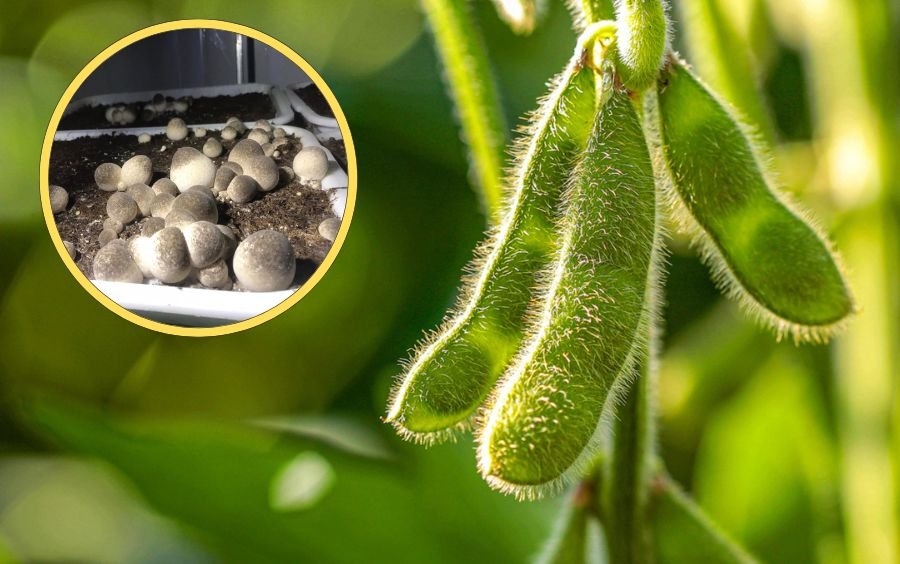
After lifting them out to drain, adjust the material’s pH down to 7–8, then spread it evenly over beds that have already been sterilized and treated for insects. The substrate layer should be 25–30 cm thick. Use 20–30 bottles of straw mushroom spawn for every 100 kg of material.
Reference: High-Yield Straw Mushroom Growing: Part 9 – Setup & Disinfection.
Inoculate the spawn in 2 layers. Once inoculation is done, use a wooden board to press the soybean stalks down until flat and firm, then cover with a layer of soil 1.5 cm thick, and finally cover with plastic sheeting to hold in heat and moisture.
Step 3: Manage the Bed During Growing
Typically, 7–10 days after inoculation, the straw mushroom mycelium will have fully colonized the surface of the soil layer. At this point, remove the plastic sheeting and cover the bed with a straw mat to move into fruiting management.
Hold the temperature at 32–35°C. Mist the straw mat frequently to keep it moist, and maintain relative air humidity at 85%–90%.
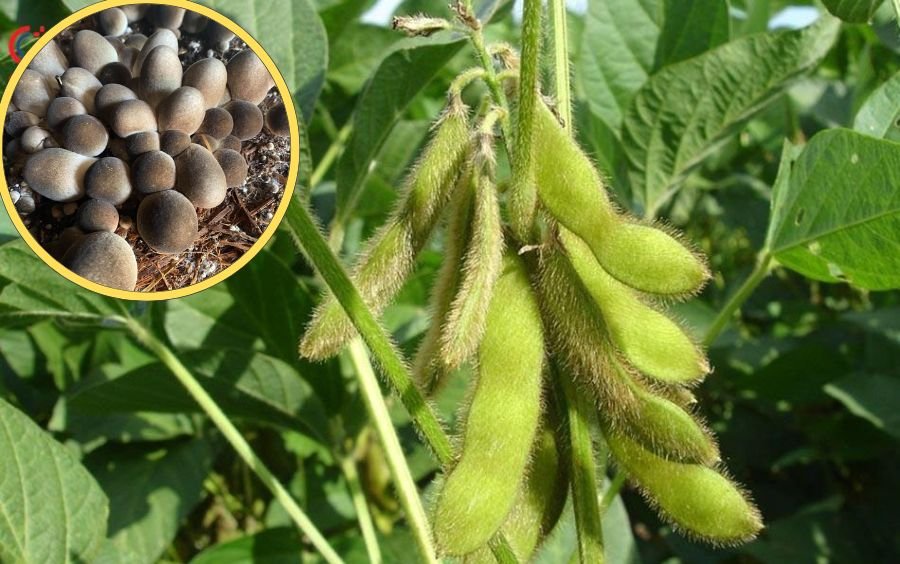
Also pay attention to ventilation; in midsummer, ventilate twice a day, once in the morning and once in the afternoon.
Straw mushrooms usually grow most heavily around the perimeter of the bed. You can harvest 3 flushes over the course of a production cycle.
Read more: High-Yield Straw Mushrooms, Part 8: Spawn Quality & Storage.
Straw Mushroom Farming: Frequently Asked Questions
- Should I stockpile soybean stalks for growing straw mushrooms?
No. To grow straw mushrooms on soybean stalks effectively, you need to select fresh stalks with no mold or rot. Stockpiling soybean stalks can hurt the quality of the growing material.
- Is growing straw mushrooms on soybean stalks worthwhile?
You can grow straw mushrooms on soybean stalks to make use of an agricultural byproduct and produce clean food. It won’t be worthwhile, though, if you grow at large scale in order to substantially increase income.
- Do I need to add other ingredients when growing straw mushrooms on soybean stalks?
No. You can use soybean stalks alone as the substrate for growing straw mushrooms.
Growing straw mushrooms on soybean stalks widens your choice of substrates and makes use of the byproducts left over after agricultural production. You can also readily use other local agricultural byproducts to grow straw mushrooms, such as:
- Growing straw mushrooms on rice straw.
- Growing straw mushrooms on cotton waste.
- Growing straw mushrooms on sugarcane bagasse.
- Growing straw mushrooms on corn stalks (cobs).
- Growing straw mushrooms on soybean stalks.
- Growing straw mushrooms on wheat straw.
- Growing straw mushrooms on mixed materials.
- Growing straw mushrooms on cottonseed hulls.
The VNmushrooms Farm engineering team will walk through the growing process for each of the methods above in upcoming guides. Growers need to master the mixing formulas and technical thresholds — following the process correctly leads to high yield and good quality when growing straw mushrooms.
- High-Yield Straw Mushroom Growing: Part 9 – Setup & Disinfection
- Growing Straw Mushrooms on Sugarcane Bagasse Indoors
- High-Yield Straw Mushrooms, Part 8: Spawn Quality & Storage
- High-Yield Straw Mushrooms, Part 2: Spawn Sterilization Equipment
- Growing Straw Mushrooms on Cottonseed Hulls: Outdoor & Indoor
Bài viết cùng chủ đề:
-
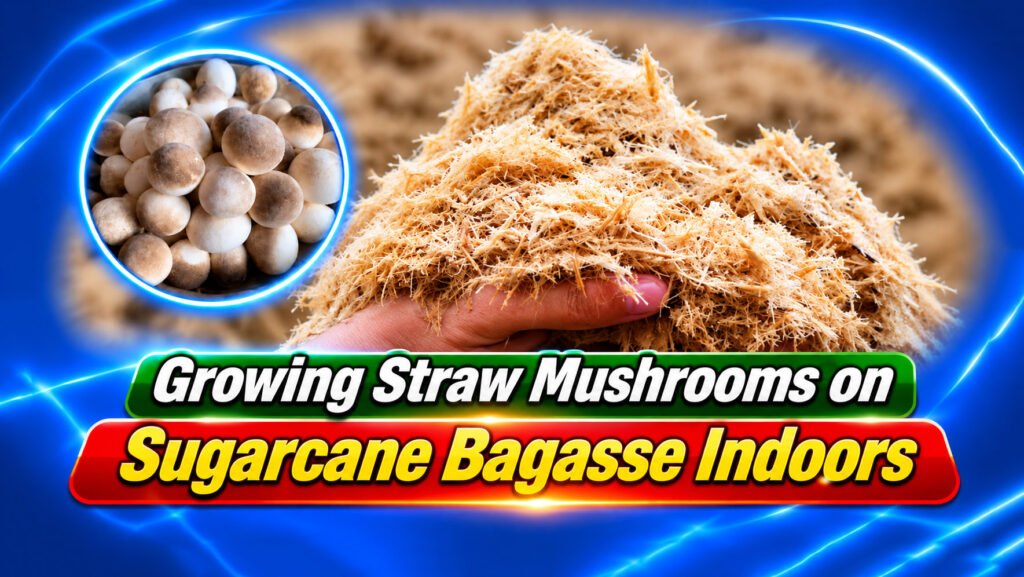
Growing Straw Mushrooms on Sugarcane Bagasse Indoors
-
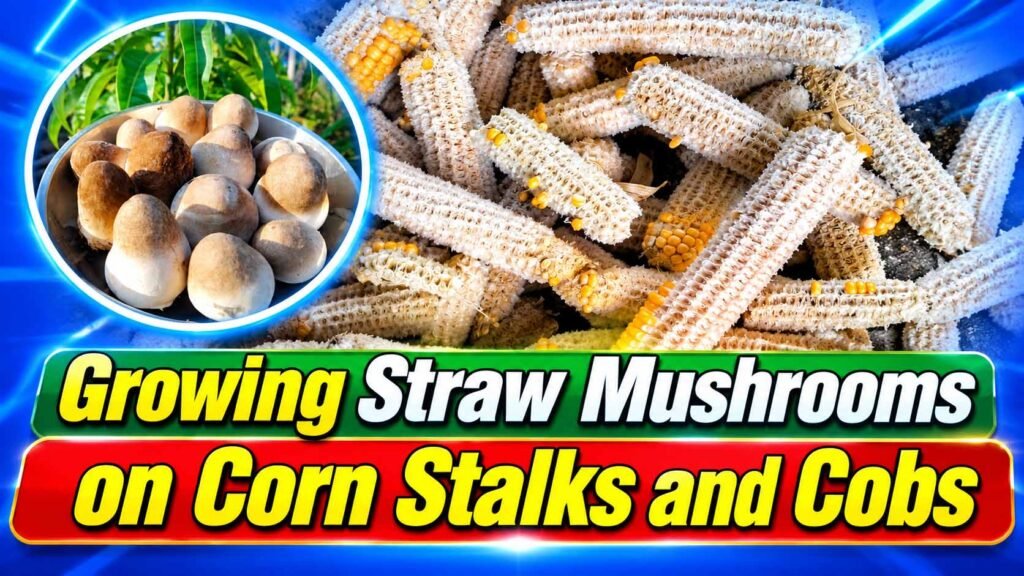
Growing Straw Mushrooms on Corn Stalks and Cobs
-
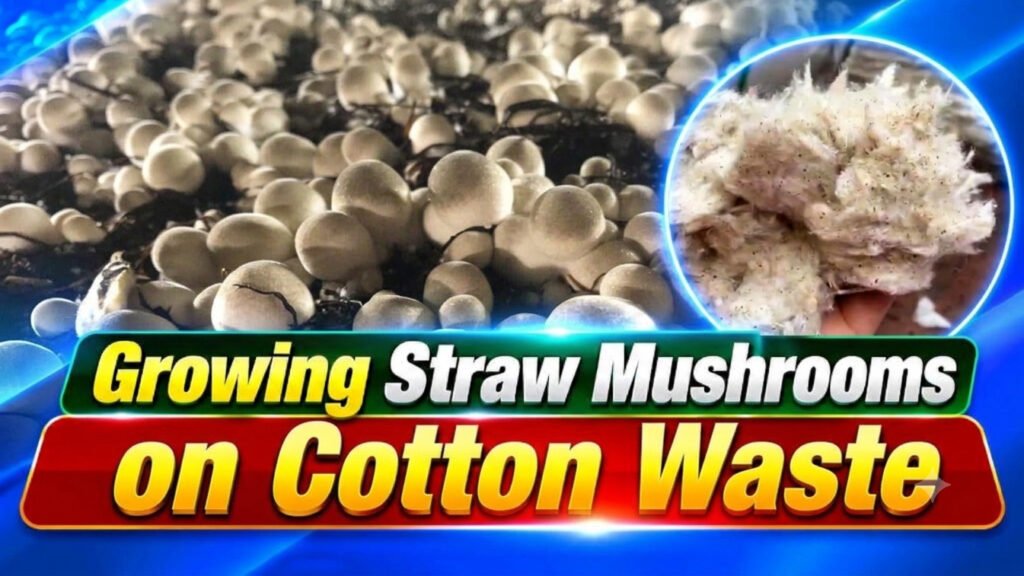
Growing Straw Mushrooms on Cotton Waste: Outdoor & Indoor
-
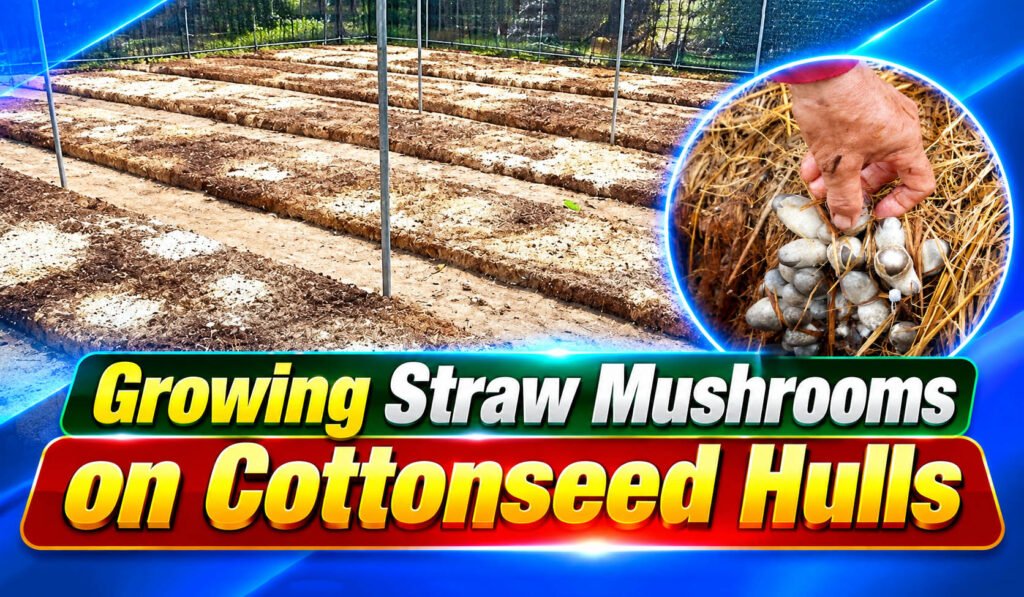
Growing Straw Mushrooms on Cottonseed Hulls: Outdoor & Indoor
-
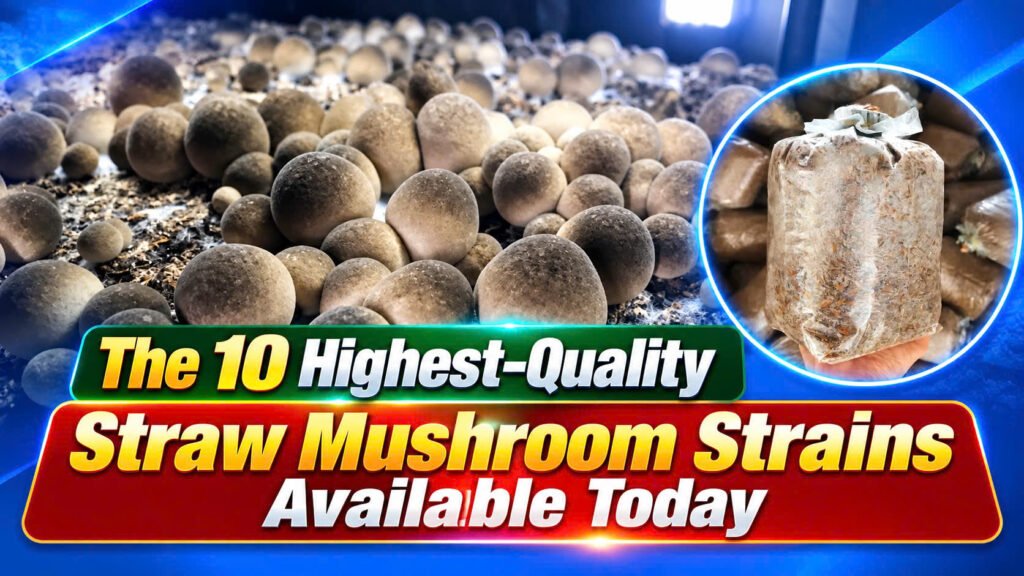
10 High-Quality Straw Mushroom Strains: Selection Guide
-
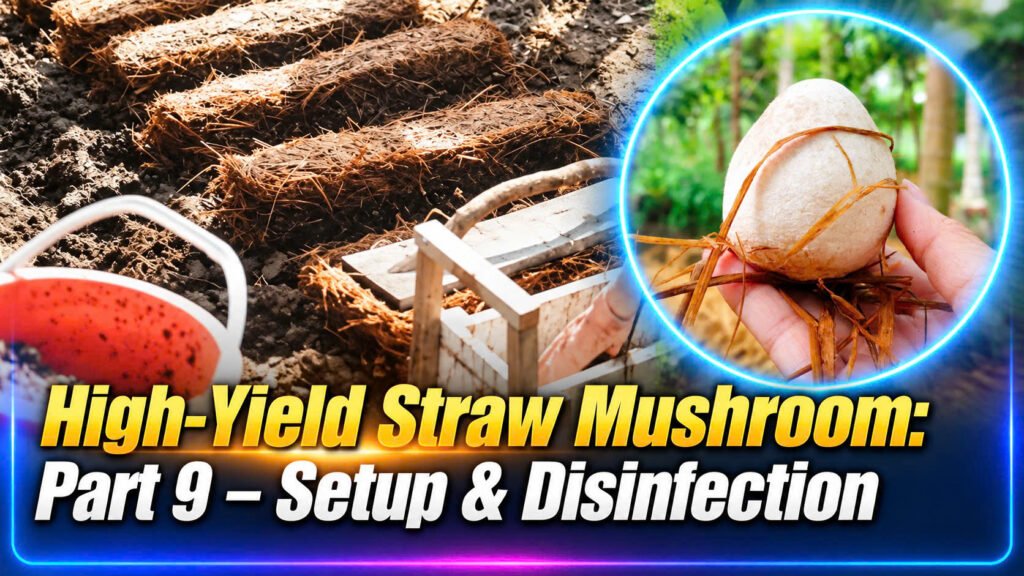
High-Yield Straw Mushroom Growing: Part 9 – Setup & Disinfection
-
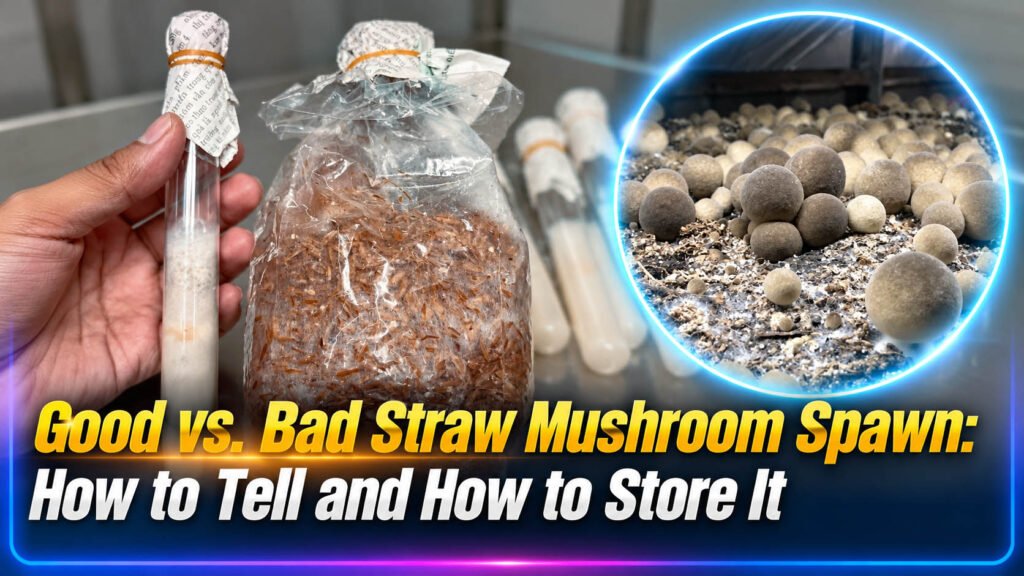
High-Yield Straw Mushrooms, Part 8: Spawn Quality & Storage
-
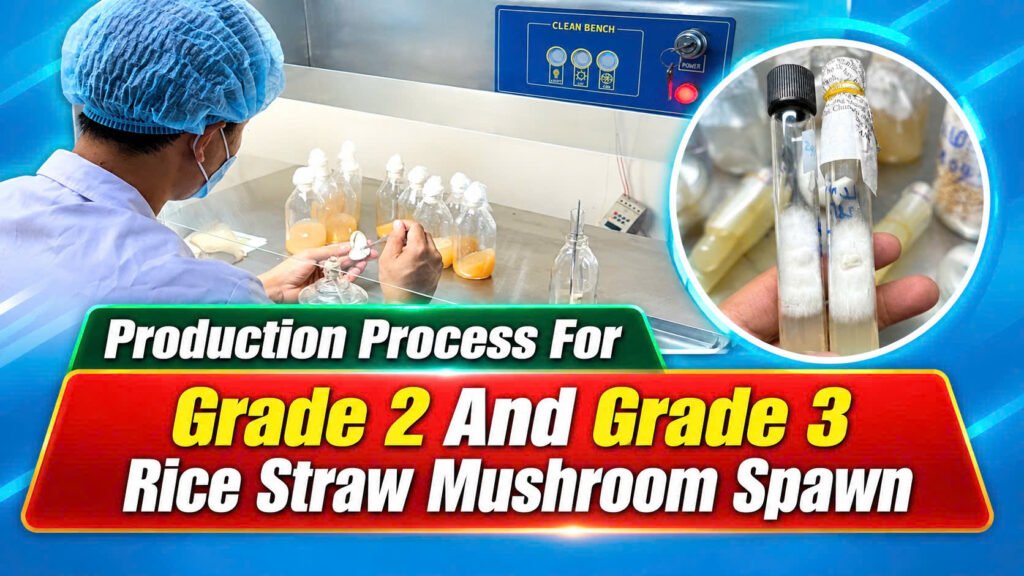
High-Yield Straw Mushrooms, Part 7: Grade II & III Spawn
-
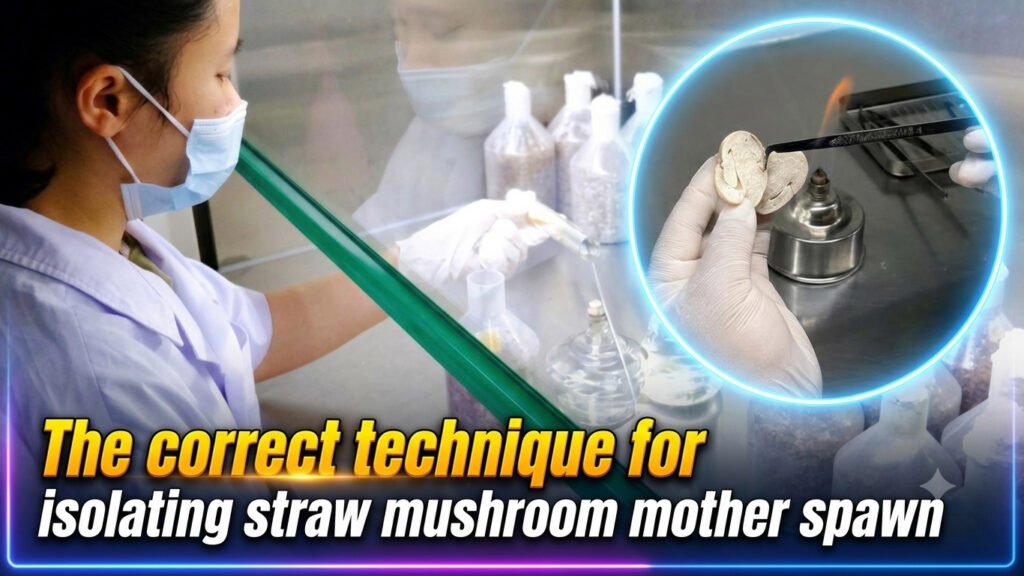
High-Yield Straw Mushrooms, Part 6: Mother Spawn Production
-
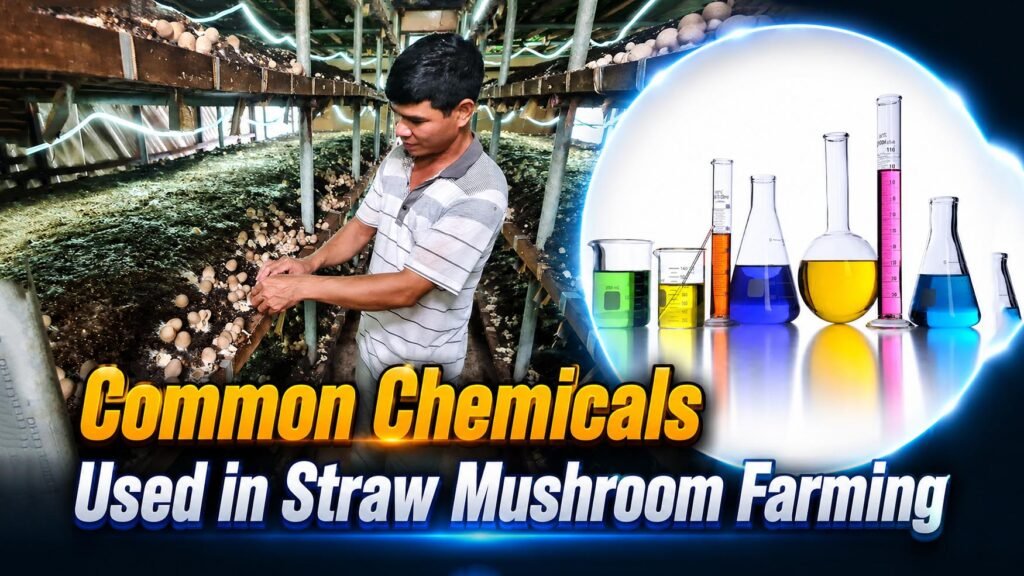
High-Yield Straw Mushrooms, Part 5: Common Chemicals Used
-
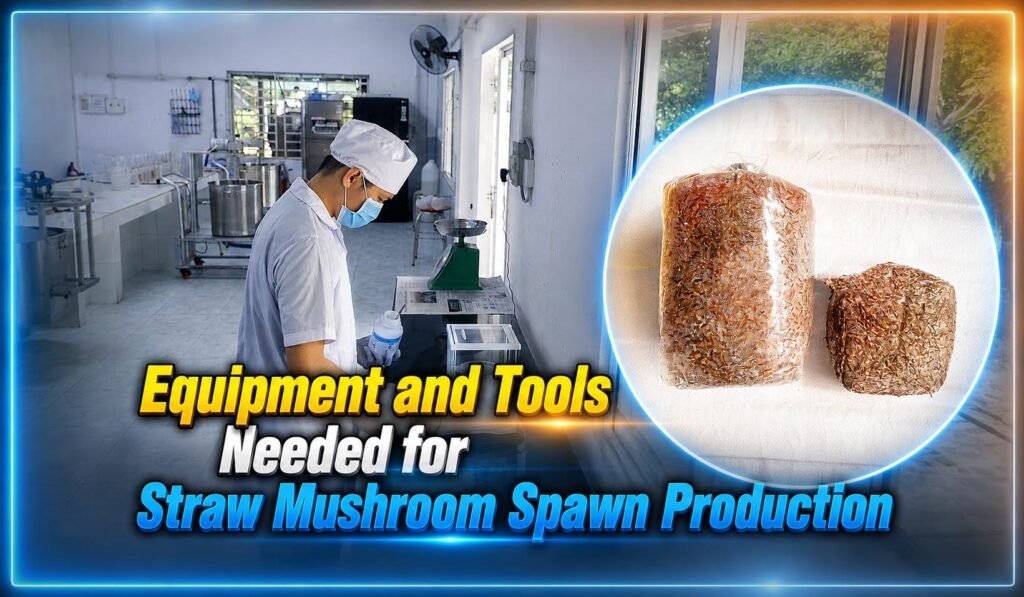
High-Yield Straw Mushrooms, Part 4: Heating, Humidity & Tools
-
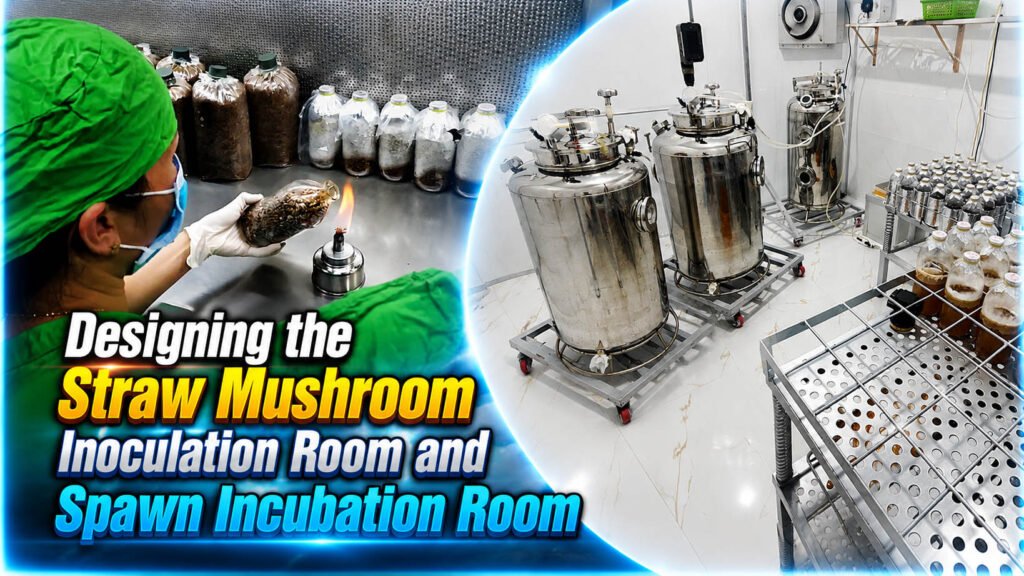
High-Yield Straw Mushrooms, Part 3: Inoculation Rooms & Spawn Run
-
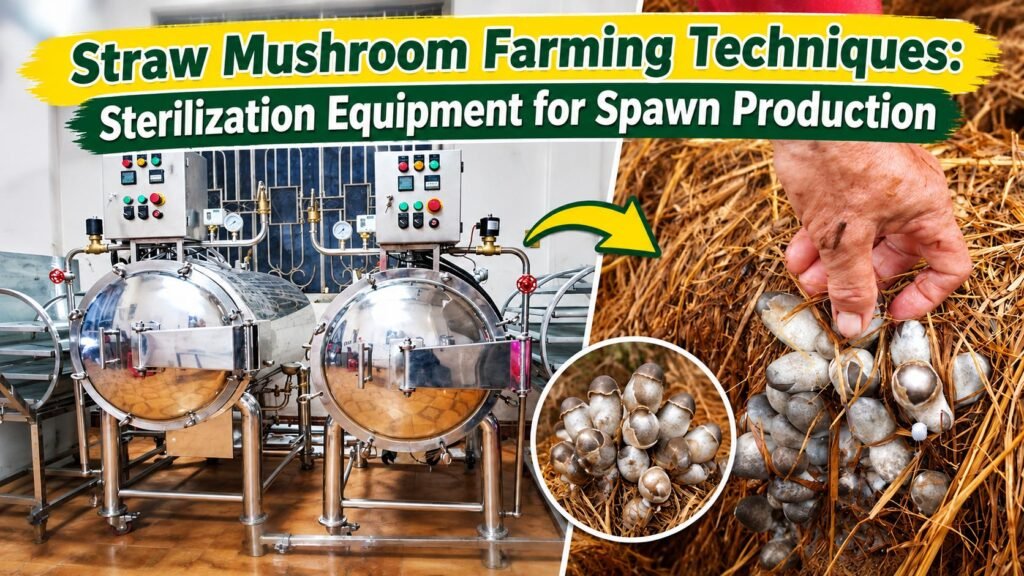
High-Yield Straw Mushrooms, Part 2: Spawn Sterilization Equipment
-
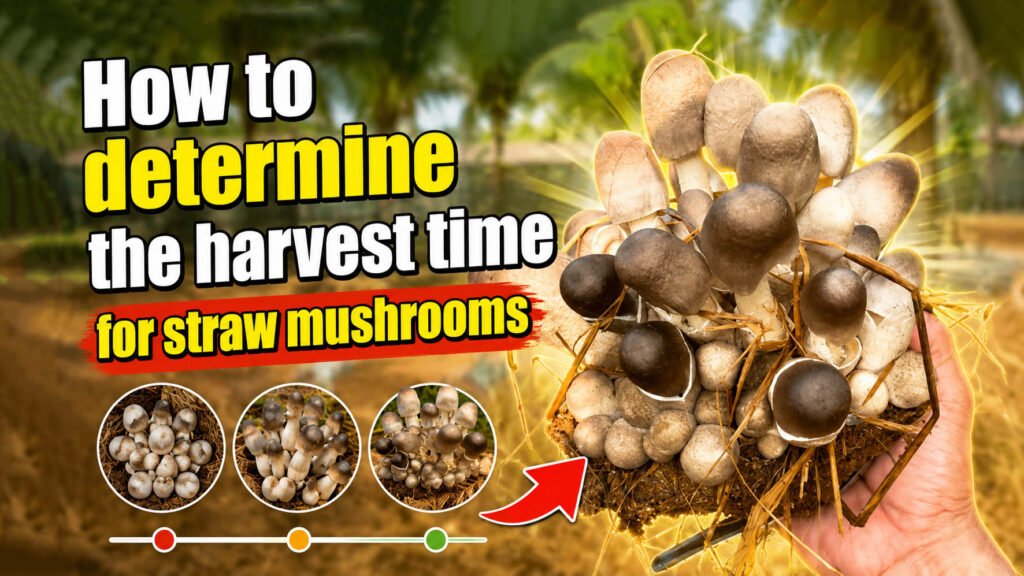
Straw Mushroom Growth Stages: When to Harvest for Best Yield
-
Straw Mushroom Farming: Low-Cost, High-Return Business